
Crawl Space Waterproofing in Apex, NC
Waterproofing is about liquid water: the kind that stands on the ground or runs in at the footing. It is a different problem from humidity and it is fixed with different work — and on ground that will not absorb water quickly, it is the problem that has to be solved first.
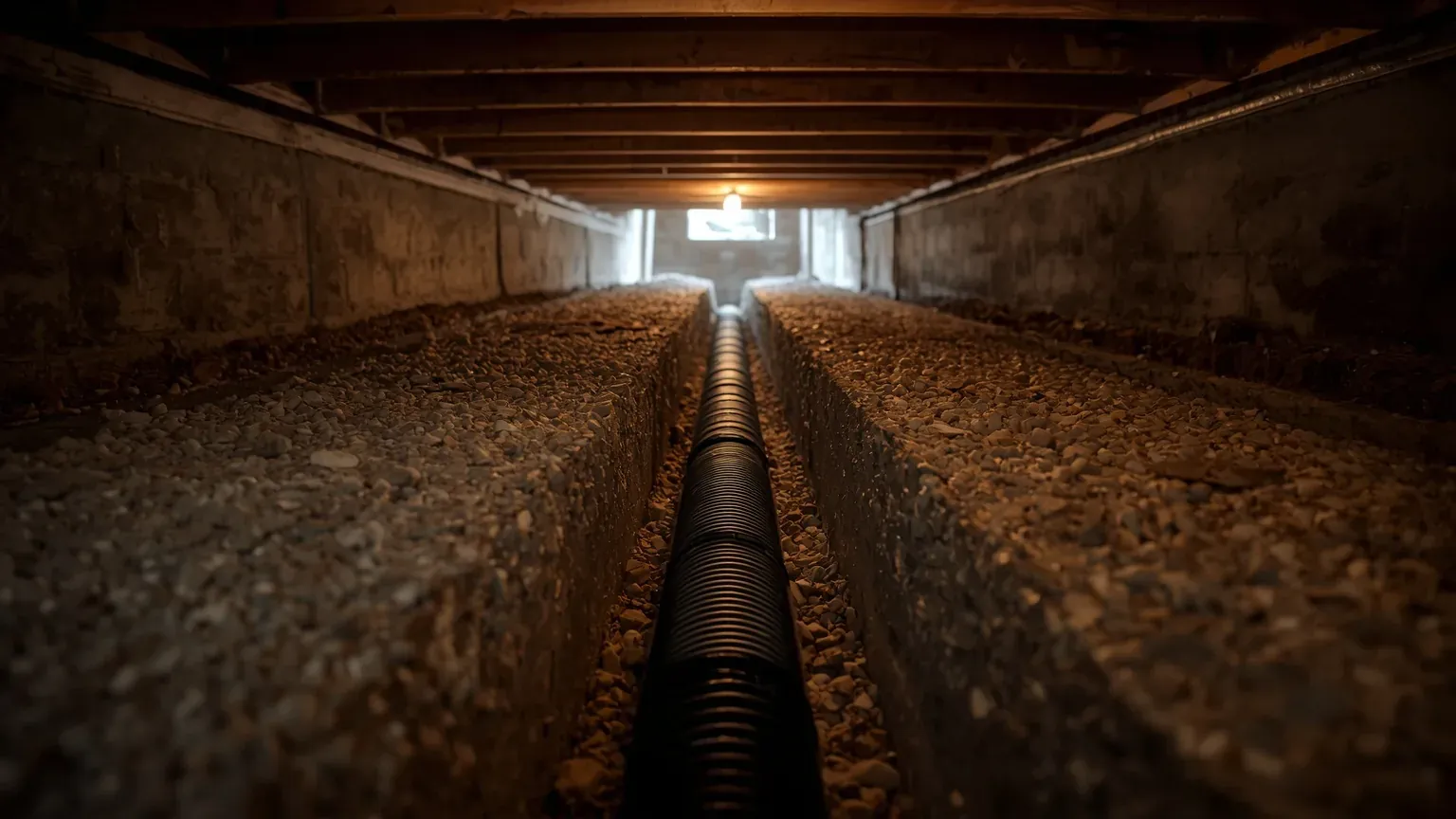
Who handles crawl space waterproofing in Apex, NC?
Apex Crawl Space Solutions arranges crawl space waterproofing across Apex and southwestern Wake County — establishing where water enters, then specifying grading, drainage, a sump or sealing in the order that actually stops it. Call (919) 343-5451 to arrange an evaluation.
Four routes in, and only one of them is cheap
Water reaches a crawl space by a small number of paths. Which one you have decides everything about what you should pay for.
- Surface water. Roof discharge at the foundation, downspouts ending at the wall, grade that has settled back toward the house. The most common cause and by far the cheapest to correct.
- Groundwater. Water rising or moving laterally through the soil. Needs interception rather than redirection, and that is a bigger job.
- A plumbing leak. Its own category. Worth ruling out early, because no drainage system ever installed has fixed a supply line.
- Condensation. Not a waterproofing problem at all, though it produces real puddles and gets misdiagnosed as one constantly.
Why slow-draining ground makes this worse
Apex sits within the Durham Triassic Basin, where mudstone and siltstone weather into dense clay. Rain that arrives faster than that clay can absorb it does not soak in — it runs across the surface and follows the grade, and where the grade leads toward a foundation, that is where it goes.
What does not soak in also does not disperse once it reaches the backfill around your foundation. It moves laterally along the easiest path available, usually the seam between compacted backfill and undisturbed soil, or the outside face of the footing itself.
So a yard can look perfectly dry while the crawl space takes water. The absence of a puddle in the lawn proves very little about conditions four feet down.
The order the work should be proposed in
Cheapest and least invasive first. A contractor who opens with excavation has skipped three steps.
- Downspout discharge. Extending it well clear of the foundation. Cheap, reversible, and it resolves a genuine share of crawl space water on its own.
- Grading. Re-establishing fall away from the house, which mulch build-up and bed edging quietly undo over the years.
- Interior perimeter drainage. Collects what reaches the space and routes it out. Chosen where exterior digging is impractical.
- Exterior drainage. Intercepts water before it reaches the foundation. More thorough, more disruptive, more expensive.
- A sump. Where collected water cannot leave by gravity. The end of a drainage system, never a substitute for one.
Why this precedes sealing
A liner handles vapor. It does not remove standing water. Laid over a space that still floods, it traps the water underneath where nobody sees it and nothing dries it — which is worse than leaving it visible.
For a wet crawl space, a proper proposal reads as two scopes in sequence: stop the water, prove it stopped, then seal. If it arrives as one number against encapsulation with no drainage line item, the first half is missing.
What the code asks of a drainage plan
R409.2.1 does not stop at the liner. It requires the floor of a closed crawl space to be graded so it drains to one or more low spots, with a drain to daylight or a sump pump installed at each low spot — so a compliant closed crawl space in North Carolina has a plan for liquid water, not only for vapor.
The same section requires crawl space drains to be kept separate from roof gutter drain systems and foundation perimeter drains. Worth checking on a written scope: combining them is quicker to install and it sends roof water straight into the system meant to be carrying water away from under the house.
Crawl Space Waterproofing questions
My crawl space floods but my yard drains fine. How?
Because dense clay moves water sideways rather than down. Water that cannot infiltrate follows lateral paths — commonly the seam between backfill and undisturbed soil, or straight along the footing — and reaches the crawl space without ever pooling where you would notice. A well-draining lawn says almost nothing about conditions at foundation depth.
Is a sump pump always needed?
No, and gravity is better whenever the lot allows it. Where the ground falls away from the house, collected water can often be routed to daylight with nothing to fail during a storm. A sump is the right answer where there is genuinely nowhere for the water to go on its own.
How long before I know the drainage worked?
One serious rain. That is the honest test, and it is why sealing should not follow immediately — the liner should go down after the drainage has been through real weather, not the same week it was installed.
Can I fix this with gutters alone?
Sometimes, genuinely. Roof water is a large concentrated volume and putting it against the footing is a common and correctable mistake. Whether it is the whole answer depends on whether groundwater is also involved, which is what the evaluation is for.
Related crawl space services
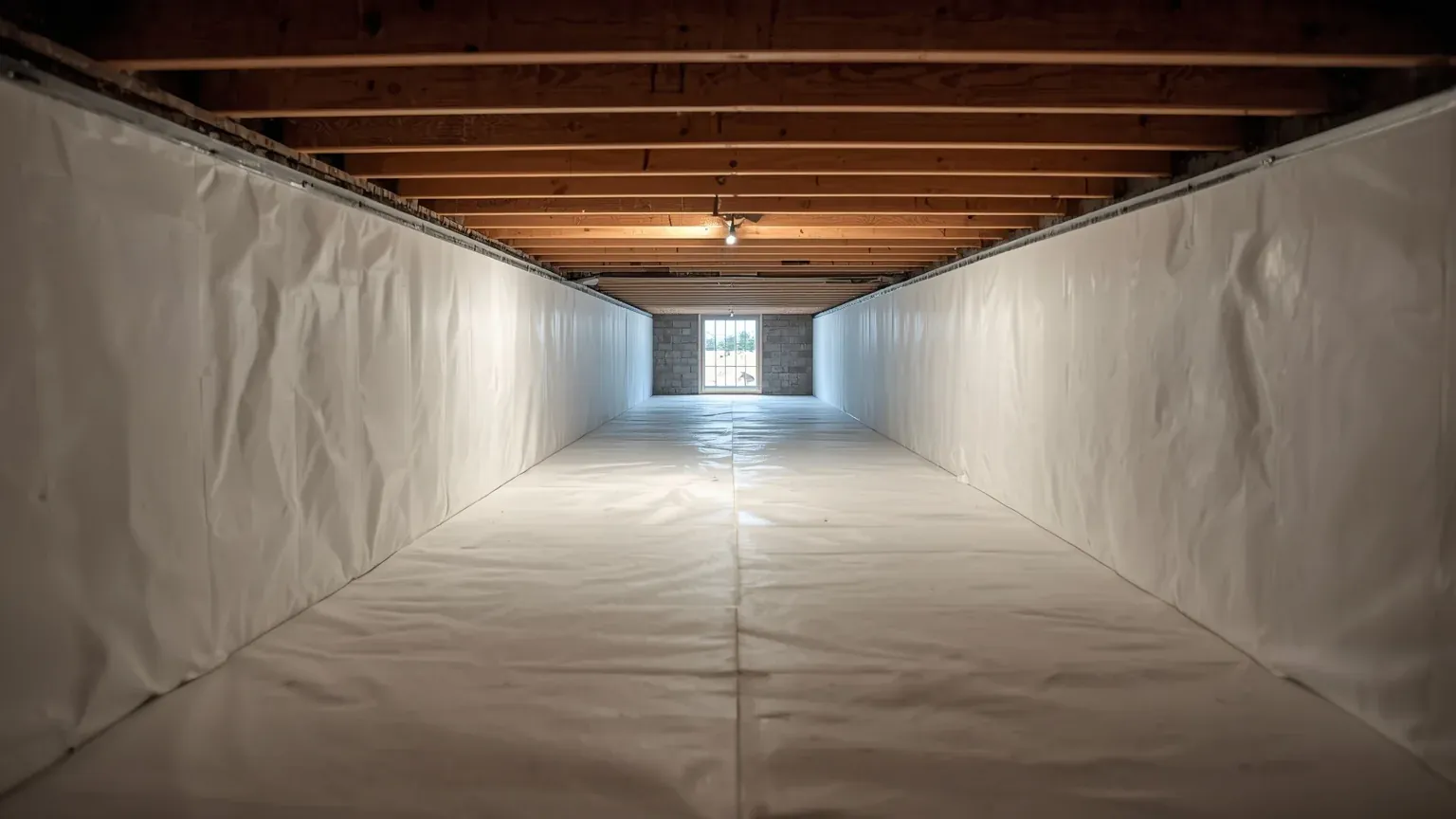
Crawl Space Encapsulation
Sealing the space and drying it — after the water question has been settled.
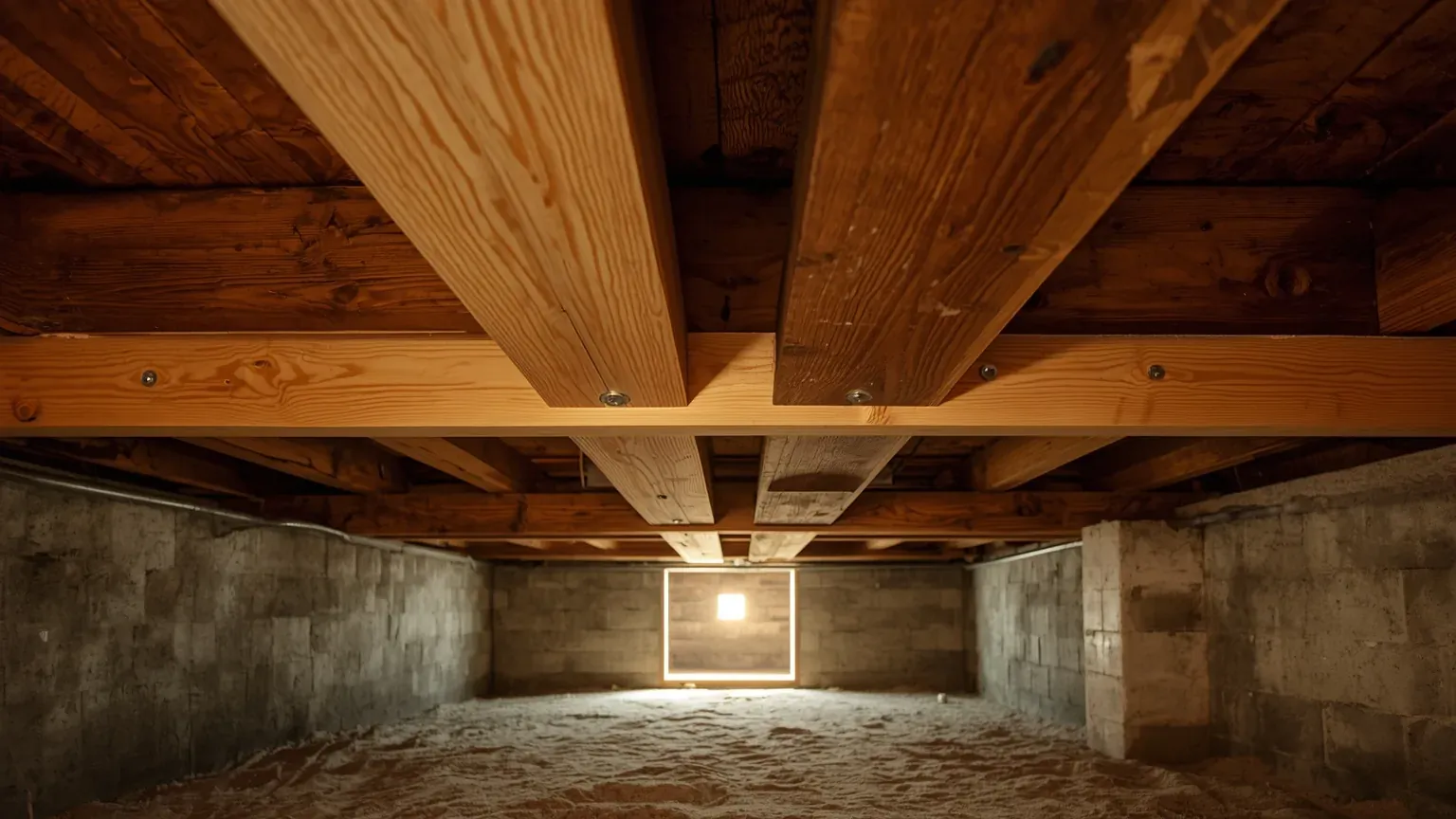
Crawl Space Repair
Settled supports and damaged framing — told apart before either is quoted.
Crawl Space Cost
What actually drives the figure, and the six questions that make quotes comparable.
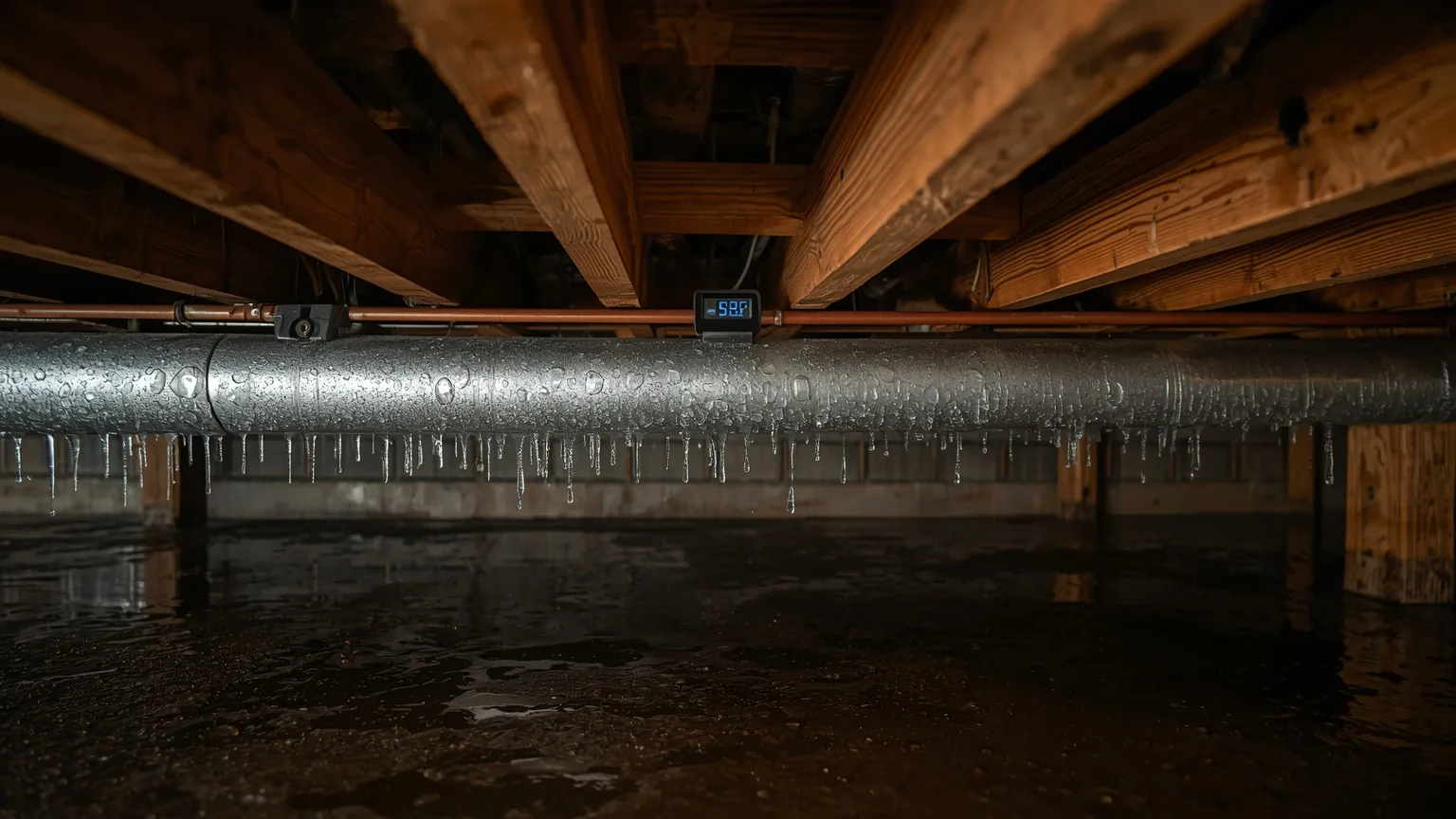
Crawl Space Moisture Control
Which of four sources you actually have — and therefore what you should buy.
Find out what is actually causing it.
Someone under the house, moisture readings taken, and the scope written down before a price is attached.