
Crawl Space Repair in Apex, NC
A floor that has started to move is telling you something specific, and on Apex's shrink-swell clay it is not always the same thing it would mean elsewhere. Sometimes the framing has been degraded by moisture. Sometimes what moved is the ground under a support. The repair is different in each case, so the diagnosis has to come first.
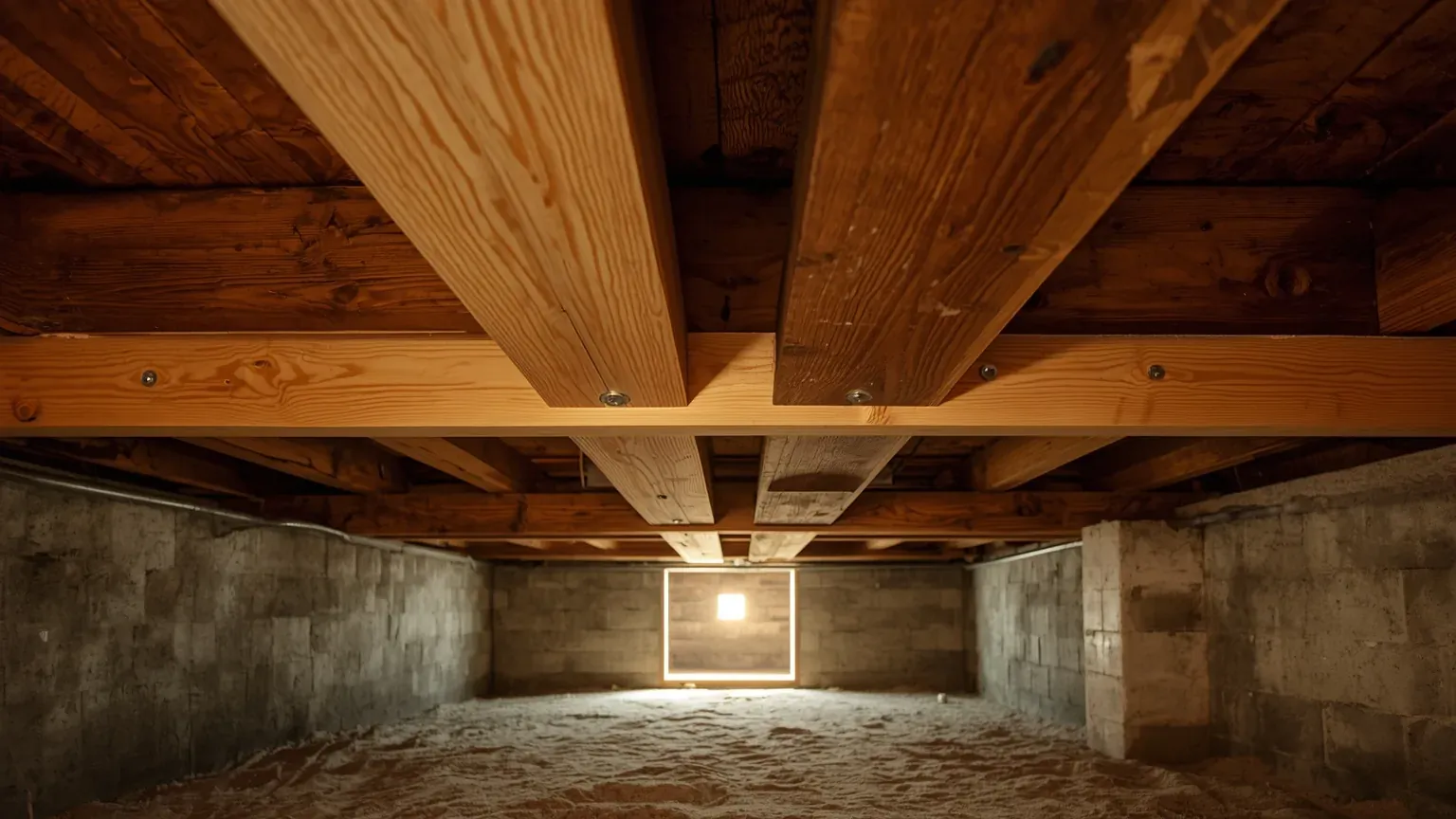
Who handles crawl space repair in Apex, NC?
Apex Crawl Space Solutions arranges crawl space structural repair across Apex and southwestern Wake County — framing and supports assessed with moisture readings, and a written scope that deals with the cause before the damage it produced. Call (919) 343-5451 to arrange an evaluation.
Two different causes that look identical upstairs
A dip in a floor feels the same underfoot whichever of these produced it, which is why guessing is expensive.
- Moisture degradation of the framing. Joists, girders or subfloor that have spent years above roughly 20 percent moisture content and lost strength. The fix is structural, and it is worthless unless the moisture is fixed with it.
- Movement under a support. A pier or post whose bearing has shifted. On soil that expands and contracts through the season, or on a footing that was never adequate, this happens without any rot at all. Jacking it without addressing the bearing buys a repeat.
What the house shows you
The symptoms arrive upstairs, which is why the crawl space is usually the last place anyone looks.
- A dip or slope in one area. Points more often at a support that has moved than at general rot. Worth mapping across the floor before anything is lifted.
- Springy floors across a wider area. Framing that has lost stiffness — moisture damage, or spans that were marginal to begin with.
- Doors and windows out of square. Structural movement. Sometimes it starts below and sometimes it does not, which is worth establishing before anyone planes a door.
- Insulation on the ground. Fiberglass that absorbed moisture, got heavy and let go. A humidity symptom, not a fastening one.
- Cracks that open and close seasonally. Often soil movement rather than structural failure. Worth watching and measuring rather than immediately repairing.
Why moisture is settled first
Wood begins supporting fungal growth at roughly 20 percent moisture content, and framing is destroyed by months above that line rather than by any single wet week. Put a new joist into a space that is still wet and it lives in exactly the conditions that took out the original.
So the sequence is: find the water, stop it, repair the damage, then control the humidity that remains. A structural proposal that says nothing about moisture is quoting half a job — and it is the half that comes back.
The repairs, and when each applies
- Sistering. A new member fastened alongside a joist that has lost capacity but retains sound section. Less disruptive and appropriate more often than replacement.
- Replacement. Where decay runs the full depth, or where the damage sits at the bearing point. That is a judgment made on the member with a probe.
- Rebuilding a support. A pier or post reset on an adequate footing. A post bearing on a patio block is a common find here and a common cause of a localized dip.
- Subfloor sections. Localized replacement where sheathing has gone soft, usually around a long-running leak.
- Insulation removal. Wet fiberglass is not salvageable and comes out before anything is sealed. On a large space it is a real line item worth seeing itemized.
When it warrants a call rather than a watch
A slowly developing dip deserves an evaluation, not an emergency. Three findings deserve a prompt call: fungal growth spreading across framing rather than sitting in one spot, a support visibly off its bearing, and standing water still present days after rain.
Anything structural should be measured before it is priced. A proposal with a number and no account of what was measured is not a proposal, it is a quote for an unknown job.
Why supports move here without any rot
The North Carolina Geological Survey records shrink-swell clays through the Triassic basins that Apex sits in. Soil that expands as it takes on water and contracts as it dries does not stay a fixed platform, and what it moves is whatever is bearing on it.
That is why a localized dip in an Apex floor is worth investigating rather than assumed to be decay. A support post that has shifted on a marginal footing produces the same feeling underfoot as a rotted joist, and the two need completely different work.
Crawl Space Repair questions
My floor dips in one spot. Is that rot or settlement?
Either, and they feel identical from above. A localized dip points more often at a support that has moved than at general moisture damage, especially on soil that changes volume seasonally. What separates them is getting under there — reading moisture content in the framing around the dip and looking at what the nearest support is bearing on.
Can shrink-swell clay actually move my house?
It can move what bears on it. The North Carolina Geological Survey records shrink-swell clays through the Triassic basins, and soil that expands when wet and contracts when dry exerts real force on footings and piers. It rarely moves a whole foundation; it fairly often moves an interior support post sitting on an inadequate footing.
Do I need to fix the moisture if I am replacing the wood anyway?
Yes, and skipping it is the most expensive mistake available here. New framing in an unchanged environment fails the same way the old framing did, just starting from a later date. The repair and the moisture work belong in one scope, in that order.
How do I know if the repair was done properly?
Ask for the moisture readings taken before and, later, after. Ask what each support was reset on. And ask what was excluded. A repair that came with numbers before it started can be checked afterwards; one that arrived as a single price cannot.
Related crawl space services
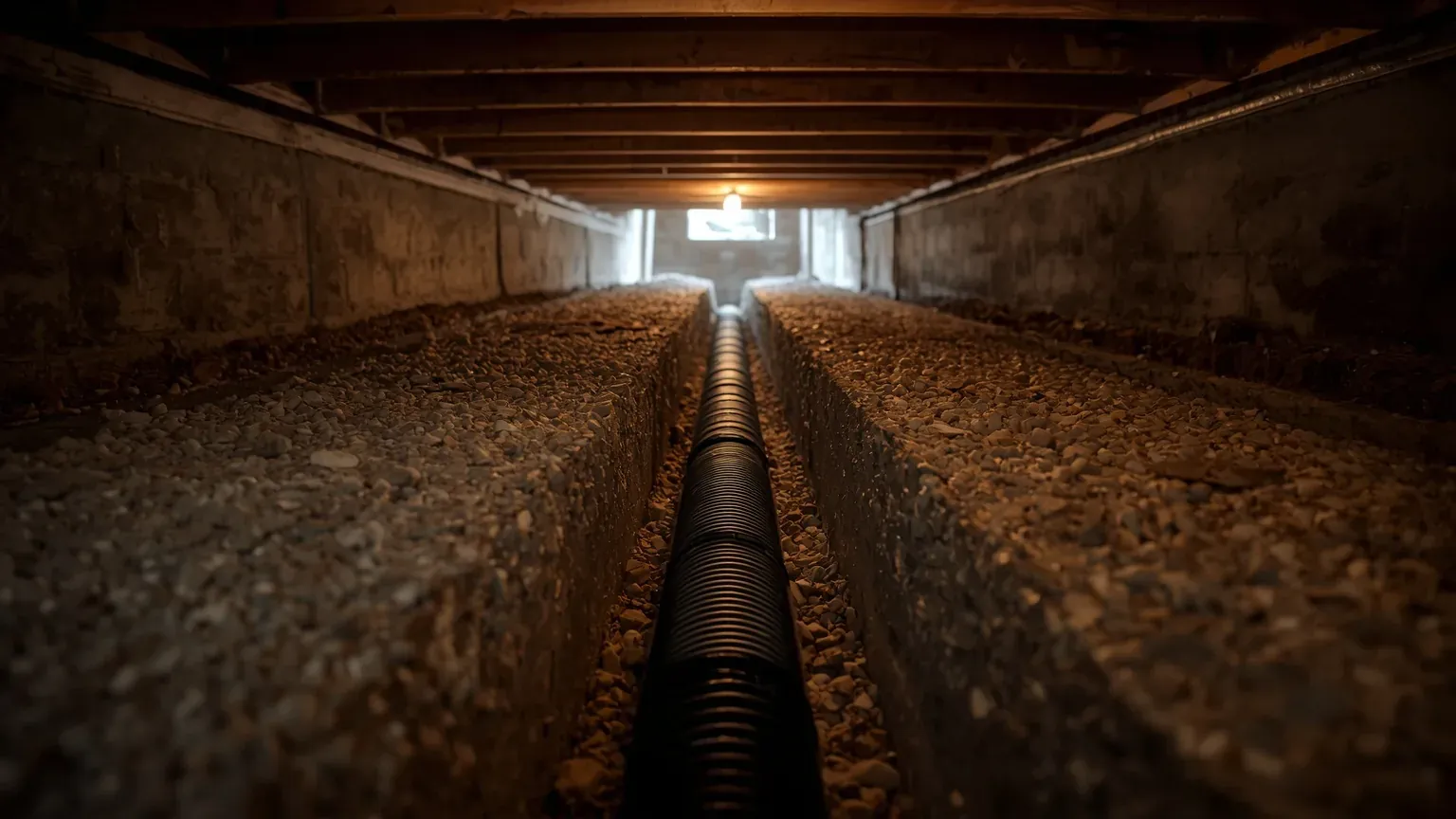
Crawl Space Waterproofing
Liquid water on ground that will not absorb it — found, then stopped, before anything is sealed.
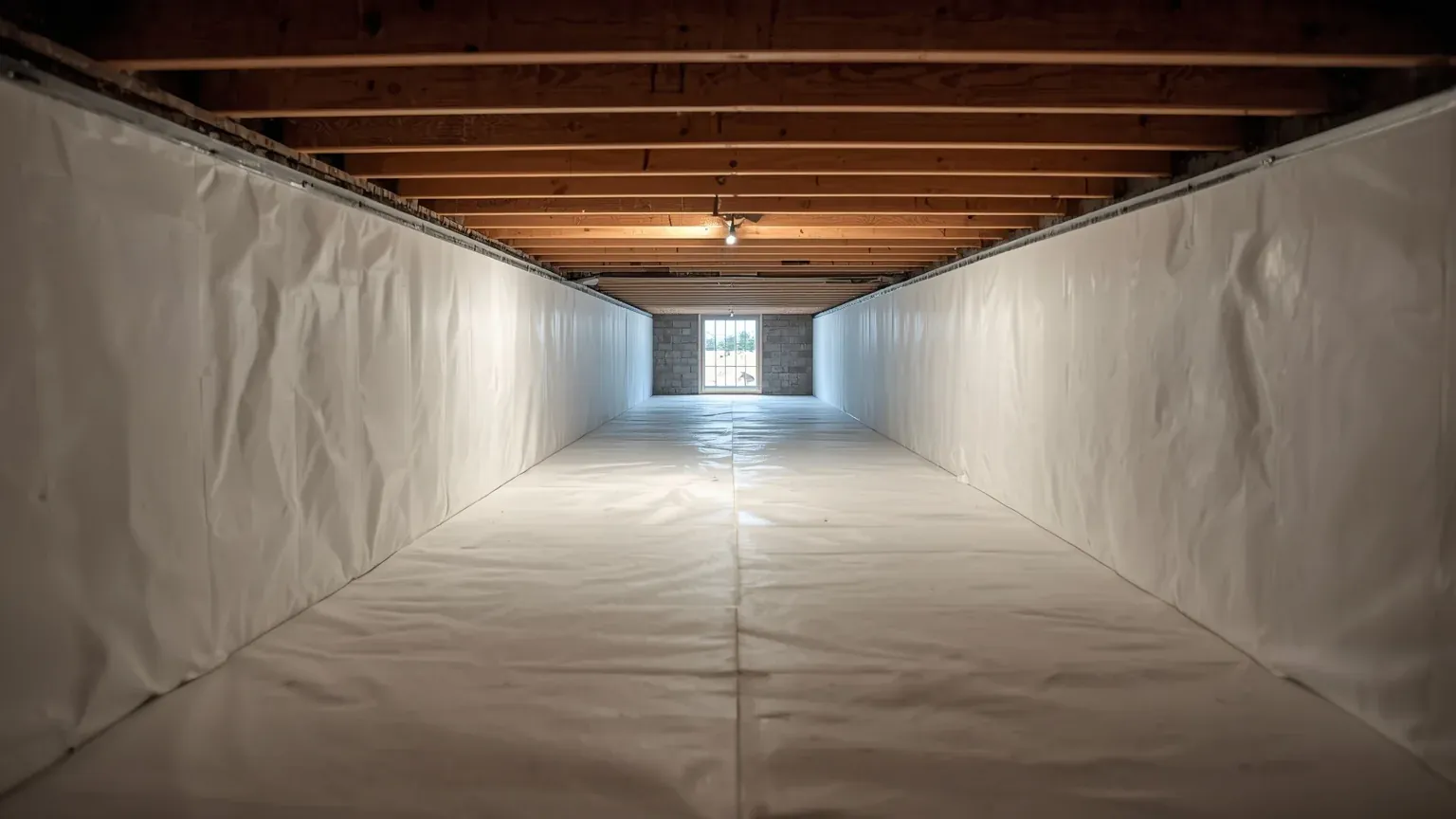
Crawl Space Encapsulation
Sealing the space and drying it — after the water question has been settled.
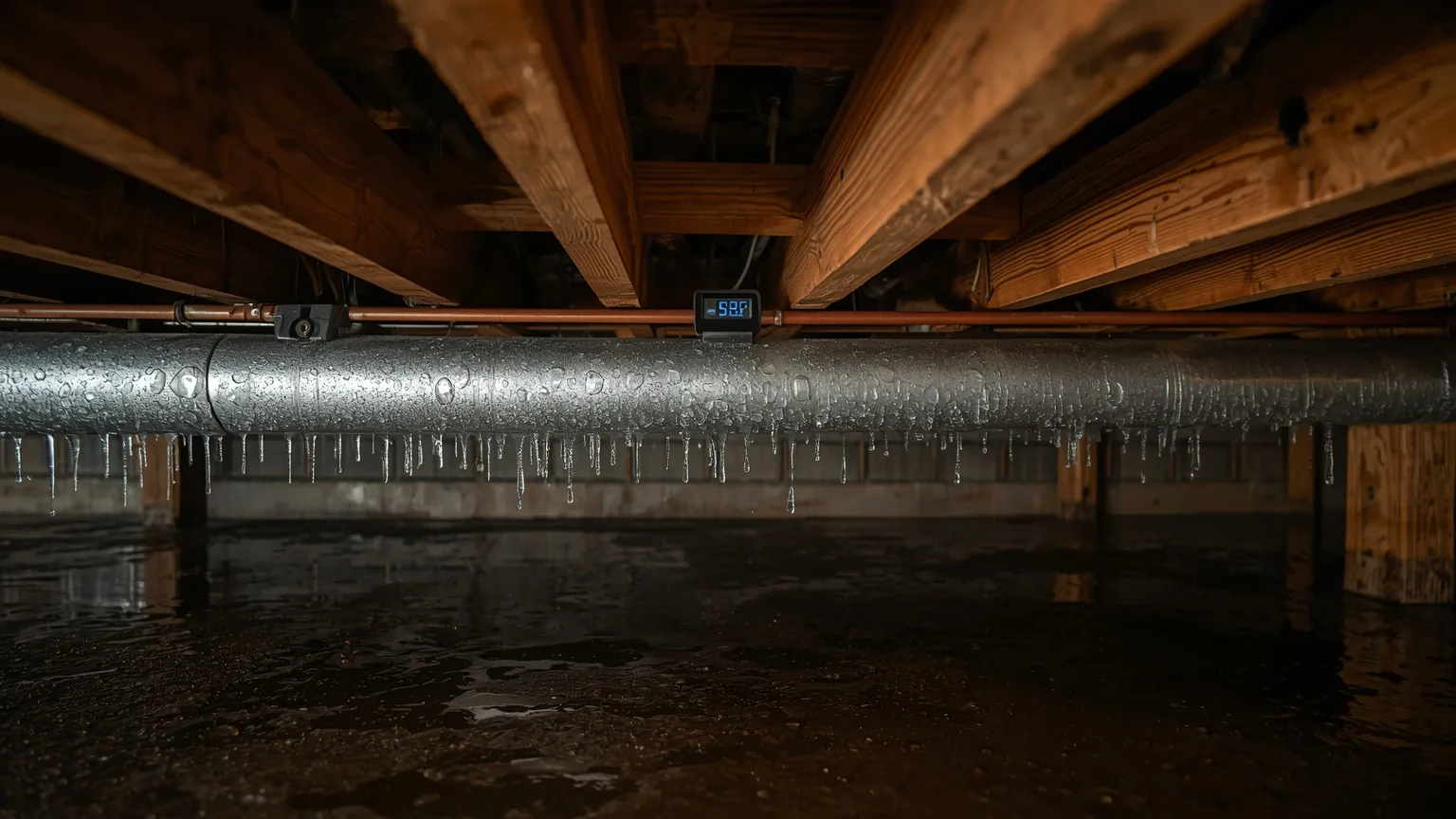
Crawl Space Moisture Control
Which of four sources you actually have — and therefore what you should buy.
Crawl Space Cost
What actually drives the figure, and the six questions that make quotes comparable.
Find out what is actually causing it.
Someone under the house, moisture readings taken, and the scope written down before a price is attached.