
Crawl Space Encapsulation Cost in Apex, NC
No price on this page, and the reason is structural rather than evasive: the two variables that move the number most cannot be seen from outside the house. What follows is what actually drives the figure, and the questions that make two quotes genuinely comparable.
Who handles crawl space cost in Apex, NC?
Apex Crawl Space Solutions does not publish crawl space prices, because a crawl space cannot be priced before it is seen. What sets the figure is clearance height and square footage, whether drainage comes first, liner scope, the drying method, insulation removal, structural work and access. Call (919) 343-5451 to arrange an evaluation.
What moves the number
Roughly in order of how much each swings the total.
- Clearance height. The most underrated variable. Material cost barely changes between a space you can kneel in and an 18-inch belly crawl; labor changes enormously, and labor is most of the bill.
- Whether drainage comes first. The largest single swing. A dry space is one scope. A wet one is drainage, a rain to prove it, then the liner — two stages and two costs.
- Square footage. Straightforward, and less decisive than clearance.
- Liner scope. Ground only, or ground plus walls to a proper termination. Detailing matters more than material weight.
- The drying method. Dehumidifier, conditioned supply or exhaust under R409.5 — different equipment costs, and a dehumidifier usually needs a dedicated circuit, which is separately permitted.
- Insulation removal. Wet fiberglass comes out before anything is sealed. A real line item on a large space and frequently buried in a bundled figure.
- Structural work. Priced separately and done first. See <a href="/crawl-space-repair/">crawl space repair</a>.
- Access. Every sheet of material and every bag of debris goes through the opening. A hatch behind a deck costs more to work through than a full door.
Six questions that make quotes comparable
Because the state publishes the specification, you can hold proposals to the code rather than to each other. Ask each contractor to answer these in writing:
What is the liner specification and how does it terminate at the wall? Is the 3-to-4-inch termite inspection gap under R409.2.2.1 maintained? Which drying method under R409.5 is installed, and at what capacity? What happens to the existing insulation? Is any drainage included, and if so what exactly? What is explicitly excluded?
Two quotes answering those six are comparable. Two quotes that say encapsulation and give a number are not, however similar the numbers look.
When a low number is fine and when it is not
Cheap is not automatically wrong. A dry crawl space with good clearance and a full-height door is genuinely a straightforward job and should be priced like one.
It becomes a warning when the number is low because something was omitted: no drying method, no drainage in a space that visibly takes water, loose sheeting instead of a specified liner, or wet insulation left in place. Those four omissions are what make a figure look competitive, and each of them is the same job again in a few years.
What you should have before any number
Moisture readings on the framing at several points. An assessment of where water enters. A note on whether a gas appliance is vented into the space. An itemized scope in sequence, with exclusions stated.
A price that arrives before any of that is a guess with a decimal point in it, and it will change once someone goes under the house.
Why two Apex houses quote differently
Apex has crawl space foundations across both its older streets near the historic center and much of the construction that followed, on lots with more grade change than the flatter ground further east.
Grade change matters to a quote in two ways. It affects whether collected water can be routed to daylight or needs a pump, which is a real cost difference. And it affects clearance, because a crawl space under a house built into a slope varies in height across its own footprint — which is why the same square footage can be quoted differently on two neighboring streets and both be fair.
Crawl Space Cost questions
Why will nobody quote over the phone?
Because clearance height and the presence of liquid water cannot be established over the phone, and those are the two biggest drivers of the figure. A number given before someone has been under the house is either padded to absorb the unknowns or it is going to move once they see it.
Should I get three quotes?
Two or three, and compare them on the six questions above rather than on the totals. Three bundled numbers tell you nothing except which contractor is most optimistic. Three itemized scopes tell you what each one is actually proposing to do.
Can the work be staged over time?
Yes, and sometimes it should be. Drainage is usually the urgent half; sealing can follow a season later. It costs slightly more overall because some setup repeats, and it is far better than a bundled job that quietly leaves the drainage out.
Does the code make this more expensive in North Carolina?
It removes the cheapest shortcuts rather than adding cost for its own sake. R409 requires a means of drying and fixes how the liner terminates, so a compliant job cannot be quoted as loose sheeting. What you get in exchange is a published benchmark to hold a quote against.
Related crawl space services
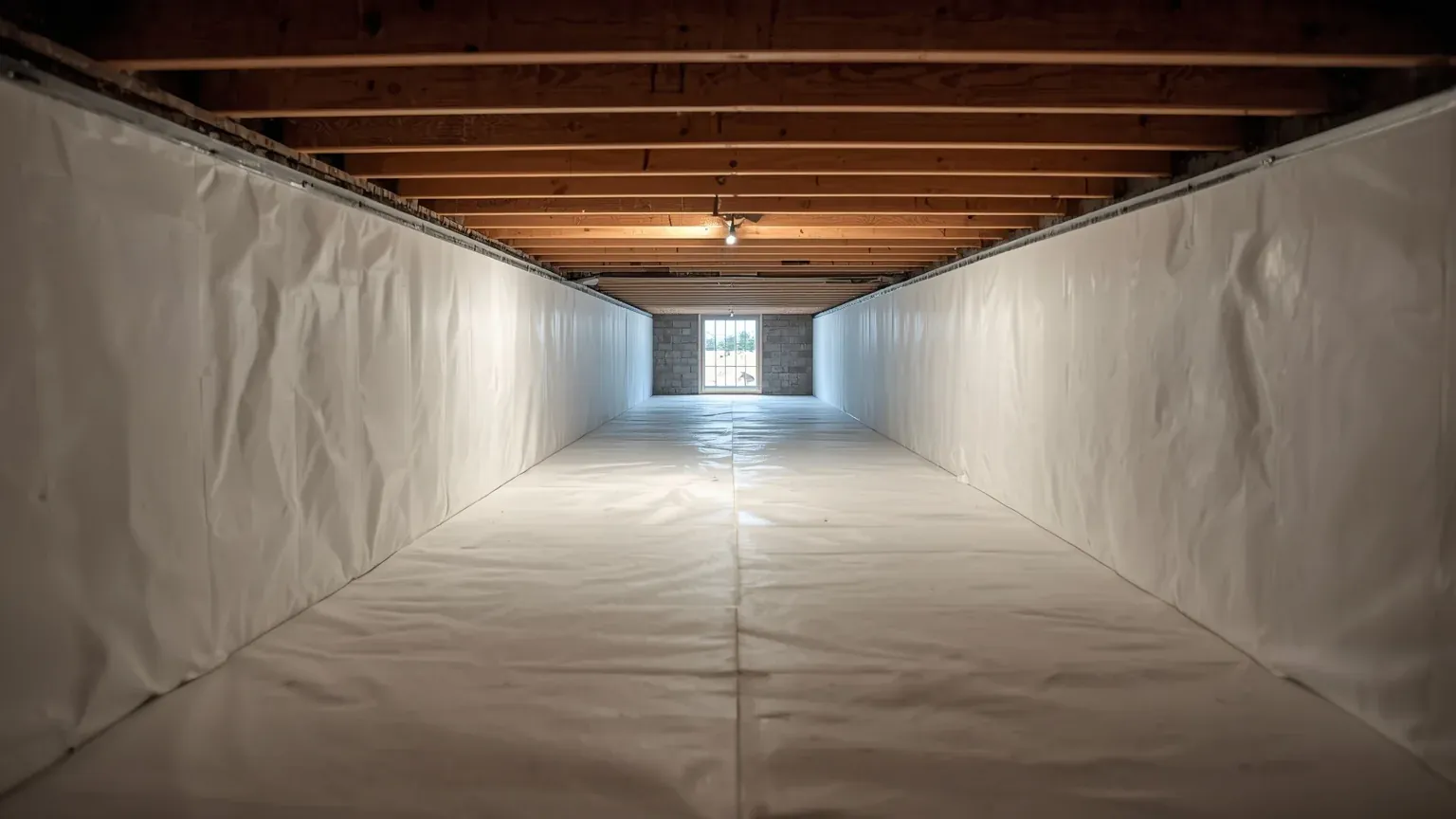
Crawl Space Encapsulation
Sealing the space and drying it — after the water question has been settled.
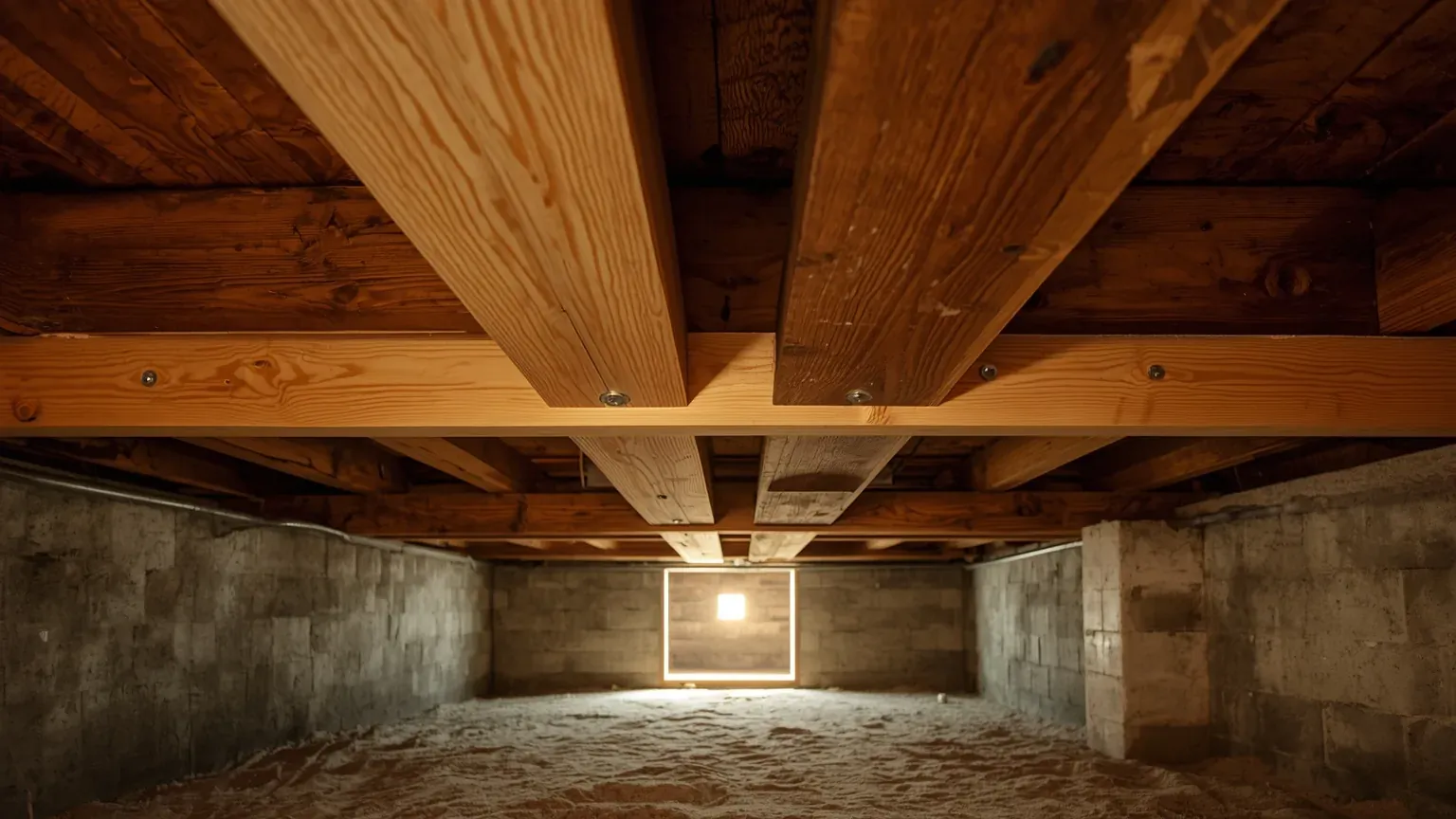
Crawl Space Repair
Settled supports and damaged framing — told apart before either is quoted.
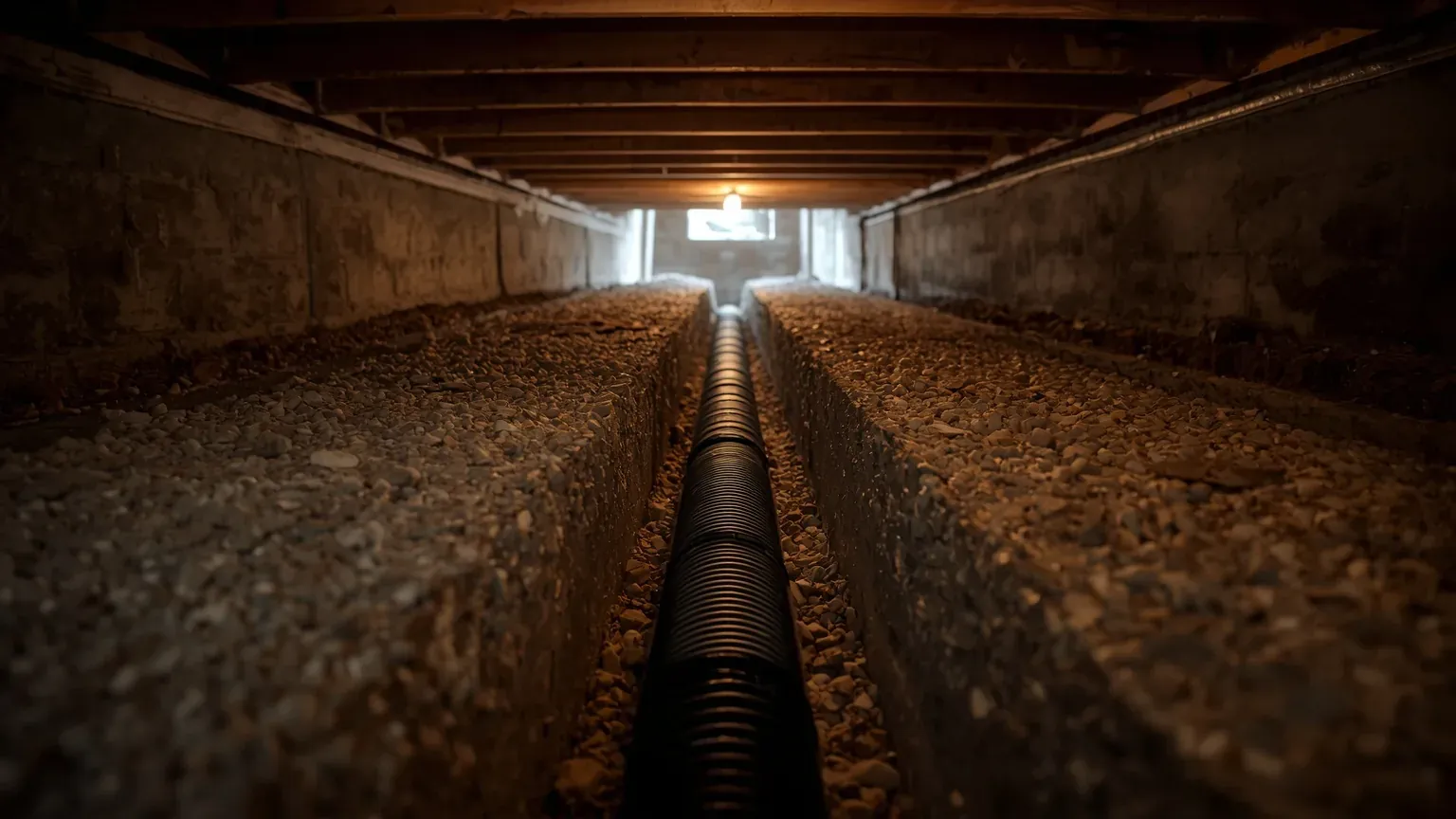
Crawl Space Waterproofing
Liquid water on ground that will not absorb it — found, then stopped, before anything is sealed.
Vapor Barrier Installation
The ground-cover job, to the R409 spec — narrower than encapsulation and priced that way.
Find out what is actually causing it.
Someone under the house, moisture readings taken, and the scope written down before a price is attached.